Understanding Biochar: A Sustainable Wood Waste Solution
Biochar is gaining attention as a sustainable solution to manage wood waste while improving soil health and reducing greenhouse gas emissions. This innovative material, produced through the pyrolysis of organic matter, offers a myriad of benefits that can help address some of the pressing environmental challenges we face today. In this blog post, we will explore what biochar is, how it is made, its benefits, and its applications in various sectors.

What is Biochar?
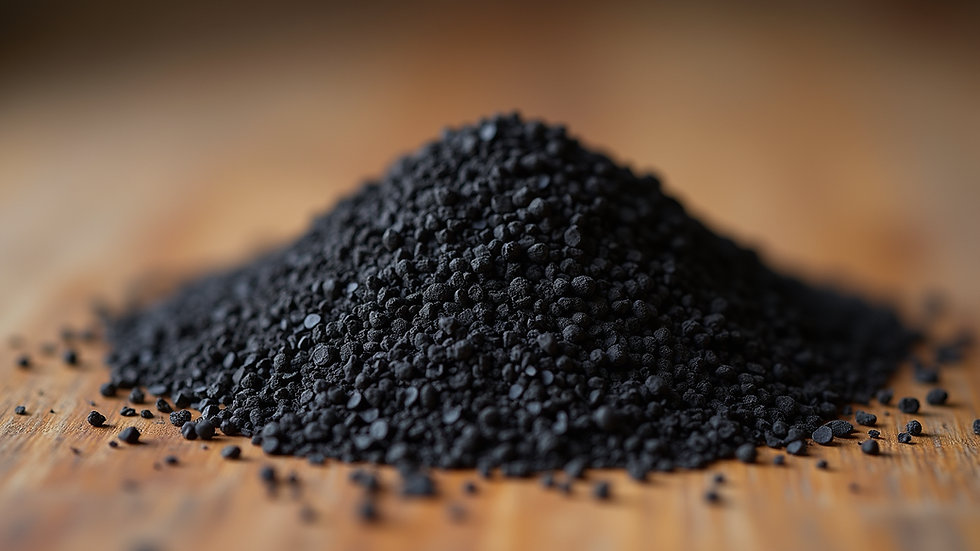
Biochar is a type of charcoal that is created by heating organic material, such as wood, agricultural residues, or other biomass, in a low-oxygen environment. This process, known as pyrolysis, converts the biomass into a stable form of carbon that can be used as a soil amendment. Unlike traditional charcoal, which is primarily used for fuel, biochar is specifically designed to enhance soil fertility and promote sustainable agricultural practices.
The Pyrolysis Process
The production of biochar involves several key steps:
Feedstock Selection: The first step is selecting the organic material to be converted into biochar. Common feedstocks include wood chips, agricultural waste, and even municipal green waste.
Heating: The selected biomass is then heated in a pyrolysis reactor. This process occurs at temperatures ranging from 300°C to 700°C (572°F to 1292°F) in an environment with limited oxygen.
Carbonization: As the biomass heats up, it undergoes thermal decomposition, breaking down into volatile gases and solid biochar. The volatile gases can be captured and used as energy or further processed into biofuels.
Cooling and Collection: After the pyrolysis process is complete, the biochar is cooled and collected for use.
Benefits of Biochar
Biochar offers numerous benefits that make it an attractive option for sustainable waste management and environmental conservation. Here are some of the key advantages:
Soil Improvement
One of the primary uses of biochar is as a soil amendment. When added to soil, biochar can:
Enhance Soil Fertility: Biochar improves nutrient retention, allowing plants to access essential minerals more effectively. This can lead to increased crop yields.
Improve Soil Structure: The porous nature of biochar helps improve soil aeration and water retention, creating a better environment for root growth.
Increase Microbial Activity: Biochar provides a habitat for beneficial soil microorganisms, which play a crucial role in nutrient cycling and plant health.
Carbon Sequestration
Biochar is a stable form of carbon that can remain in the soil for hundreds to thousands of years. By incorporating biochar into agricultural practices, we can effectively sequester carbon and mitigate climate change. This process helps reduce the amount of carbon dioxide in the atmosphere, contributing to global efforts to combat climate change.
Waste Management
Using biochar as a solution for wood waste and other organic materials can significantly reduce landfill waste. Instead of allowing organic matter to decompose in landfills, where it generates methane—a potent greenhouse gas—biochar production offers a sustainable alternative that transforms waste into a valuable resource.
Water Quality Improvement
Biochar can also play a role in improving water quality. When applied to soil, it can reduce nutrient runoff into waterways, helping to prevent issues like algal blooms and water pollution. Its ability to absorb excess nutrients makes it a useful tool for managing agricultural runoff.
Applications of Biochar
Biochar has a wide range of applications across various sectors. Here are some notable examples:
Agriculture
In agriculture, biochar is used to enhance soil health and improve crop productivity. Farmers can incorporate biochar into their fields to increase yields, reduce the need for chemical fertilizers, and promote sustainable farming practices.
Horticulture
Gardeners and horticulturists use biochar to improve soil quality in gardens and landscaping. Its ability to retain moisture and nutrients makes it an excellent addition to potting mixes and garden beds.
Environmental Remediation
Biochar is being explored as a tool for environmental remediation. Its porous structure allows it to adsorb contaminants from soil and water, making it useful for cleaning up polluted sites.
Livestock Feed
Some studies suggest that biochar can be added to livestock feed to improve animal health and reduce methane emissions from digestion. This application could contribute to more sustainable livestock production.
Challenges and Considerations
While biochar presents many benefits, there are also challenges and considerations to keep in mind:
Quality Control
The properties of biochar can vary significantly depending on the feedstock used and the pyrolysis conditions. Ensuring consistent quality is essential for maximizing its benefits in agricultural applications.
Cost of Production
The initial investment in biochar production facilities can be high, which may limit its widespread adoption. However, as demand for sustainable solutions grows, economies of scale may help reduce costs over time.
Research and Education
More research is needed to fully understand the long-term effects of biochar on soil health and crop productivity. Additionally, educating farmers and land managers about its benefits and proper application methods is crucial for successful implementation.
Conclusion
Biochar represents a promising solution for managing wood waste while enhancing soil health and contributing to climate change mitigation. Its numerous benefits, including improved soil fertility, carbon sequestration, and waste management, make it an attractive option for various sectors. As we continue to explore and develop biochar applications, it is essential to address the challenges associated with its production and use.
By embracing biochar as a sustainable wood waste solution, we can take significant steps toward a healthier planet and a more sustainable future. Whether you are a farmer, gardener, or environmental advocate, consider how biochar can play a role in your efforts to promote sustainability and improve the health of our ecosystems.

Comments