Transforming Wood Waste into Premium Biochar Benefits
Wood waste is often seen as a nuisance, a byproduct of lumber production, construction, and landscaping. However, this waste can be transformed into a valuable resource known as biochar. Biochar is a form of charcoal produced through the pyrolysis of organic material, and it offers numerous benefits for soil health, carbon sequestration, and waste management. In this blog post, we will explore how wood waste can be converted into premium biochar and the myriad benefits it brings to the environment and agriculture.
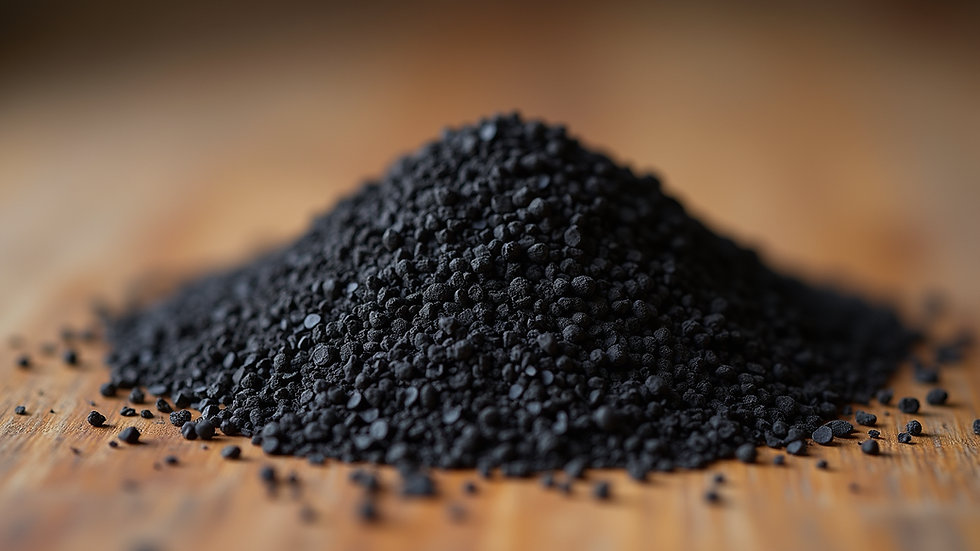
Understanding Biochar
What is Biochar?
Biochar is a stable, carbon-rich product created by heating organic material in a low-oxygen environment. This process, known as pyrolysis, not only produces biochar but also generates bio-oil and syngas, which can be used as renewable energy sources. The unique structure of biochar, with its porous nature, allows it to retain nutrients and water, making it an excellent amendment for soil.
How is Biochar Made from Wood Waste?
The process of creating biochar from wood waste involves several steps:
Collection of Wood Waste: This can include sawdust, wood chips, bark, and other residues from lumber mills or landscaping activities.
Drying: The wood waste is dried to reduce moisture content, which enhances the efficiency of the pyrolysis process.
Pyrolysis: The dried wood waste is subjected to high temperatures (typically between 300°C to 700°C) in an oxygen-limited environment. This process converts the biomass into biochar, along with bio-oil and syngas.
Cooling and Grinding: After pyrolysis, the biochar is cooled and may be ground to achieve the desired particle size for agricultural use.
Benefits of Biochar
Enhancing Soil Health
One of the most significant benefits of biochar is its ability to improve soil health. Here’s how:
Nutrient Retention: Biochar enhances the soil's ability to retain nutrients, reducing the need for chemical fertilizers. Its porous structure allows it to hold onto essential nutrients like nitrogen, phosphorus, and potassium.
Water Retention: The porous nature of biochar also helps retain moisture in the soil, making it particularly beneficial in arid regions. This can lead to reduced irrigation needs and improved crop yields.
Soil Structure Improvement: Biochar can improve soil aeration and structure, promoting better root growth and microbial activity.
Carbon Sequestration
Biochar plays a crucial role in carbon sequestration. When biochar is added to the soil, it locks carbon away for hundreds to thousands of years, effectively reducing greenhouse gas emissions. This process helps combat climate change by decreasing the amount of carbon dioxide in the atmosphere.
Waste Management Solution
Transforming wood waste into biochar provides an effective waste management solution. Instead of sending wood waste to landfills, which can produce methane—a potent greenhouse gas—converting it into biochar offers a sustainable alternative. This process not only reduces waste but also creates a valuable product that can benefit the environment.
Economic Benefits
The production of biochar from wood waste can also have economic advantages:
Job Creation: Establishing biochar production facilities can create jobs in rural areas, contributing to local economies.
Market Opportunities: As awareness of biochar's benefits grows, so does the market for this product. Farmers and gardeners are increasingly seeking biochar as a soil amendment, creating new business opportunities.
Practical Applications of Biochar
Agriculture
Farmers can use biochar to enhance soil fertility and crop productivity. For example, studies have shown that adding biochar to soil can increase corn yields by up to 30%. Additionally, biochar can help mitigate soil acidity, making it suitable for a wider range of crops.
Landscaping and Gardening
Home gardeners and landscapers can benefit from biochar as well. Mixing biochar into potting soil can improve plant growth and reduce the need for fertilizers. It can also be used in composting to enhance nutrient retention.
Environmental Remediation
Biochar has been used in environmental remediation projects to filter pollutants from water and soil. Its porous structure allows it to adsorb heavy metals and other contaminants, making it a valuable tool for cleaning up polluted sites.
Challenges and Considerations
While the benefits of biochar are significant, there are challenges to consider:
Production Costs: Setting up biochar production facilities can require substantial investment. However, the long-term benefits may outweigh initial costs.
Quality Control: The properties of biochar can vary based on the feedstock and production process. Ensuring consistent quality is essential for its effectiveness as a soil amendment.
Regulatory Framework: In some regions, regulations surrounding biochar production and use may be unclear, which can hinder its adoption.
Conclusion
Transforming wood waste into premium biochar presents a sustainable solution to several pressing environmental issues. From enhancing soil health and promoting carbon sequestration to providing economic opportunities, the benefits of biochar are vast and varied. As we continue to seek innovative ways to manage waste and improve agricultural practices, biochar stands out as a powerful tool for creating a more sustainable future.
By embracing biochar, we can turn what was once considered waste into a valuable resource, benefiting both the environment and our communities. If you are interested in exploring biochar for your agricultural or gardening needs, consider reaching out to local producers or research institutions to learn more about its potential.


Comments