The Environmental Impact of Biochar in Southwest Arkansas
The increasing concern over climate change and environmental degradation has led to a surge in interest in sustainable agricultural practices. One such practice gaining traction is the use of biochar, a carbon-rich material produced from organic matter through pyrolysis. In Southwest Arkansas, where agriculture plays a vital role in the economy, biochar presents a promising solution for improving soil health and mitigating environmental impacts. This blog post explores the environmental benefits of biochar, its production process, and its potential applications in Southwest Arkansas.

Understanding Biochar
What is Biochar?
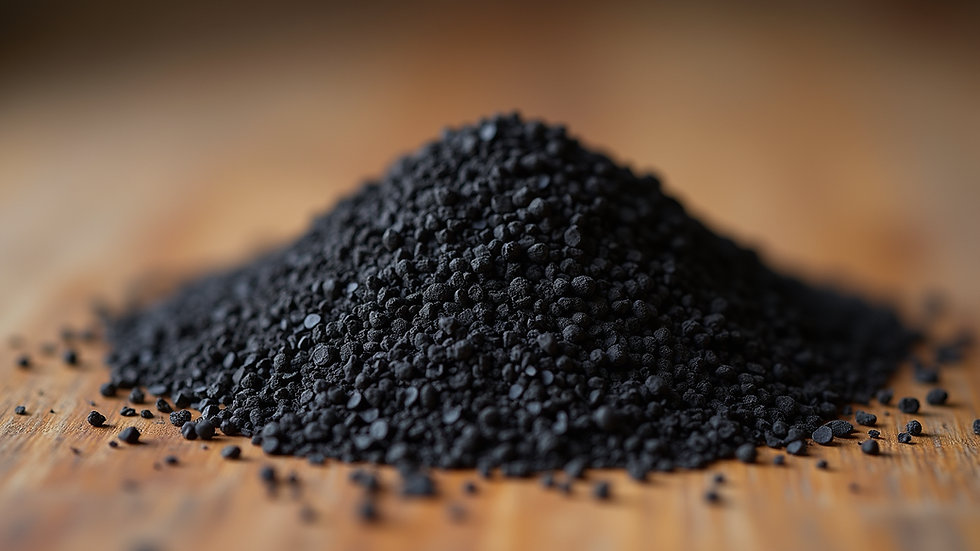
Biochar is a stable form of carbon created by heating organic material, such as agricultural waste, in a low-oxygen environment. This process, known as pyrolysis, converts biomass into biochar, bio-oil, and syngas. The resulting biochar can be used as a soil amendment, helping to improve soil fertility, retain moisture, and sequester carbon.
The Production Process
The production of biochar involves several steps:
Feedstock Selection: Common feedstocks include wood chips, crop residues, and manure. The choice of feedstock can influence the properties of the final biochar product.
Pyrolysis: The selected biomass is heated in a pyrolysis reactor at temperatures ranging from 300°C to 700°C. This process decomposes the organic material and drives off volatile compounds, leaving behind a carbon-rich solid.
Cooling and Collection: After pyrolysis, the biochar is cooled and collected for use. It can be processed further to enhance its properties, such as increasing surface area or nutrient content.
Application: Biochar can be applied directly to agricultural fields, gardens, or landscaping projects.
Environmental Benefits of Biochar
Soil Health Improvement
One of the most significant benefits of biochar is its ability to enhance soil health. When added to soil, biochar can:
Increase Nutrient Retention: Biochar has a high surface area and porous structure, allowing it to retain nutrients and prevent leaching. This can lead to improved plant growth and reduced need for chemical fertilizers.
Enhance Soil Structure: The addition of biochar can improve soil aeration and drainage, promoting healthy root development and reducing erosion.
Increase Microbial Activity: Biochar provides a habitat for beneficial soil microorganisms, which play a crucial role in nutrient cycling and plant health.
Carbon Sequestration
Biochar is a powerful tool for carbon sequestration. By converting biomass into a stable form of carbon, biochar can help mitigate climate change. When biochar is applied to soil, it can remain stable for hundreds to thousands of years, effectively locking away carbon that would otherwise be released into the atmosphere as CO2.
Waste Management
Using agricultural waste as feedstock for biochar production can help address waste management issues in Southwest Arkansas. Instead of burning or landfilling crop residues, farmers can convert them into biochar, reducing greenhouse gas emissions and promoting a circular economy.
Water Quality Improvement
Biochar can also contribute to improved water quality. By reducing nutrient runoff from agricultural fields, biochar can help prevent water pollution in local rivers and lakes. Its ability to retain nutrients means that fewer fertilizers are needed, leading to less runoff and lower levels of harmful substances in waterways.
Applications of Biochar in Southwest Arkansas
Agriculture
In Southwest Arkansas, where agriculture is a cornerstone of the economy, biochar can be particularly beneficial. Farmers can incorporate biochar into their soil management practices to enhance crop yields and reduce reliance on chemical fertilizers. For example, a study conducted in the region found that applying biochar to corn fields resulted in a 20% increase in yield compared to untreated fields.
Forestry
Biochar can also be used in forestry practices. By applying biochar to forest soils, landowners can improve tree growth and resilience to pests and diseases. This is especially important in the face of climate change, which poses significant challenges to forest health.
Urban Landscaping
In urban areas of Southwest Arkansas, biochar can be used in landscaping projects to improve soil quality and support plant health. Its ability to retain moisture makes it an excellent amendment for gardens and parks, especially in times of drought.
Challenges and Considerations
Economic Viability
While the benefits of biochar are clear, there are challenges to its widespread adoption. The initial costs of biochar production and application can be a barrier for some farmers. However, as awareness of its benefits grows and production technologies improve, these costs are expected to decrease.
Education and Awareness
Another challenge is the need for education and awareness among farmers and landowners. Many may not be familiar with biochar or its potential benefits. Extension services and local agricultural organizations can play a crucial role in providing information and resources to promote biochar adoption.
Regulatory Framework
The regulatory environment surrounding biochar production and use is still evolving. Clear guidelines and standards are needed to ensure the safe and effective use of biochar in agriculture and other applications.
Conclusion
The environmental impact of biochar in Southwest Arkansas is significant and multifaceted. From improving soil health and enhancing agricultural productivity to sequestering carbon and reducing waste, biochar offers a sustainable solution for many of the challenges facing the region. As farmers, landowners, and policymakers recognize the potential of biochar, its adoption is likely to grow, contributing to a healthier environment and a more sustainable future for Southwest Arkansas.
By embracing biochar, we can take a meaningful step toward improving our agricultural practices and protecting our natural resources. Whether you are a farmer, a landowner, or simply someone interested in sustainable practices, consider exploring the benefits of biochar and how it can make a positive impact in your community.

Comments